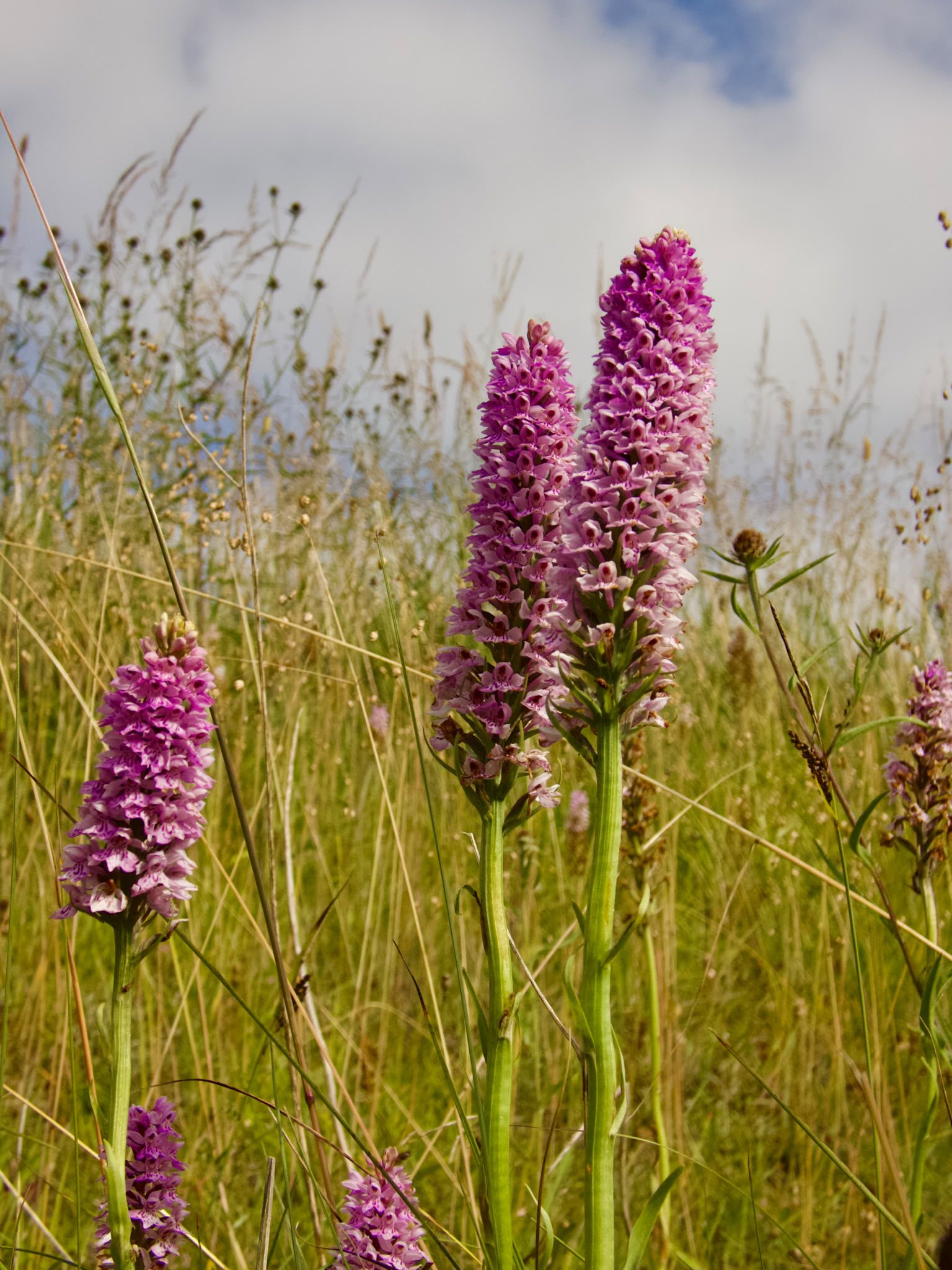

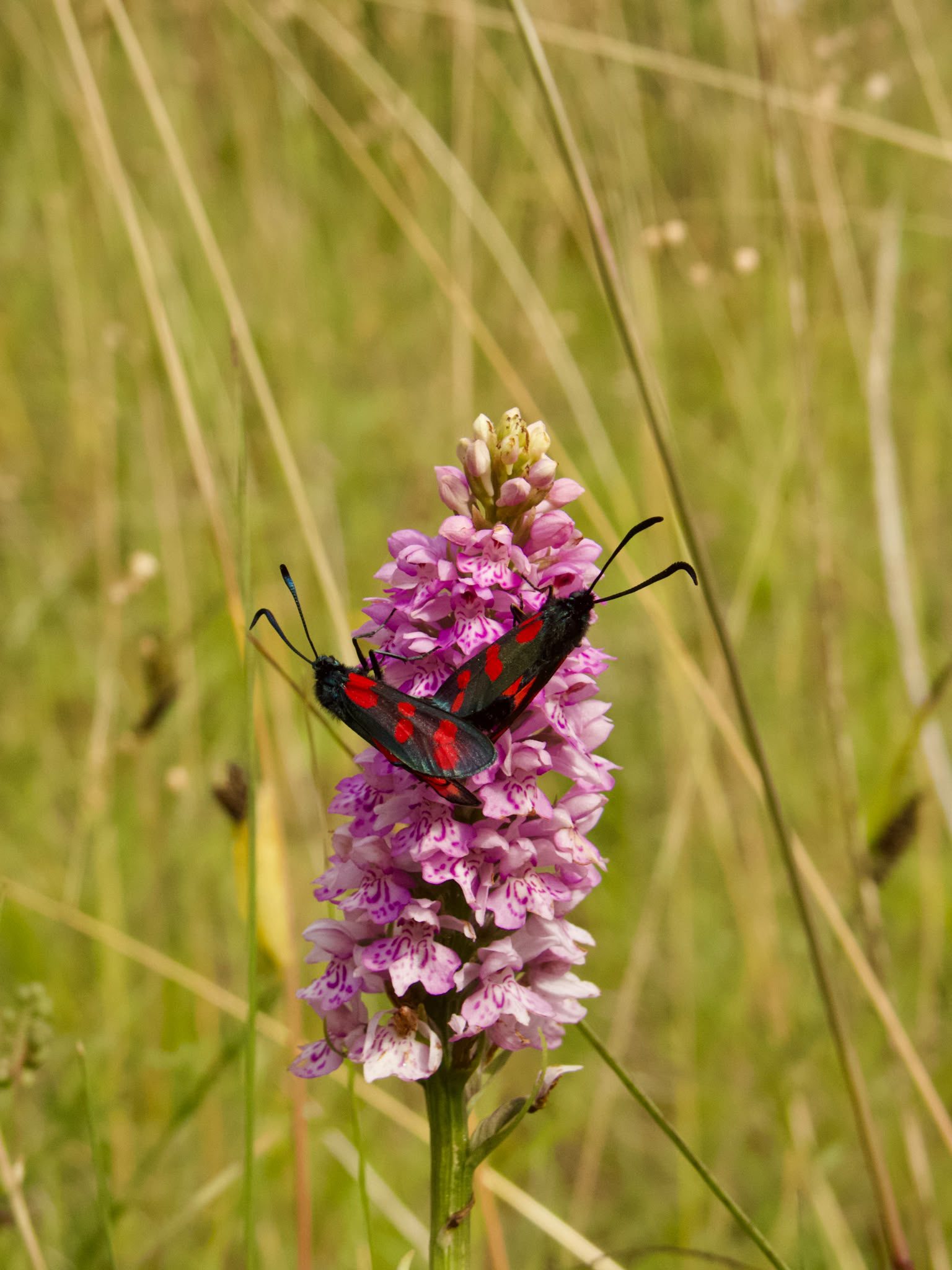
Rare Irish native wild spotted, white and pink orchids were found growing at Pollboy crossroads across from the Western Postform factory three years ago by wildflower enthusiast Úna Ní Bhroin.
The land where the orchids are growing is managed by the council and after contacting Councillor Dr.Evelyn Parsons, Úna was informed that they would be protected and not mowed. The orchids are back in profusion this year and Úna is keen to spread awareness of these beautiful plants.
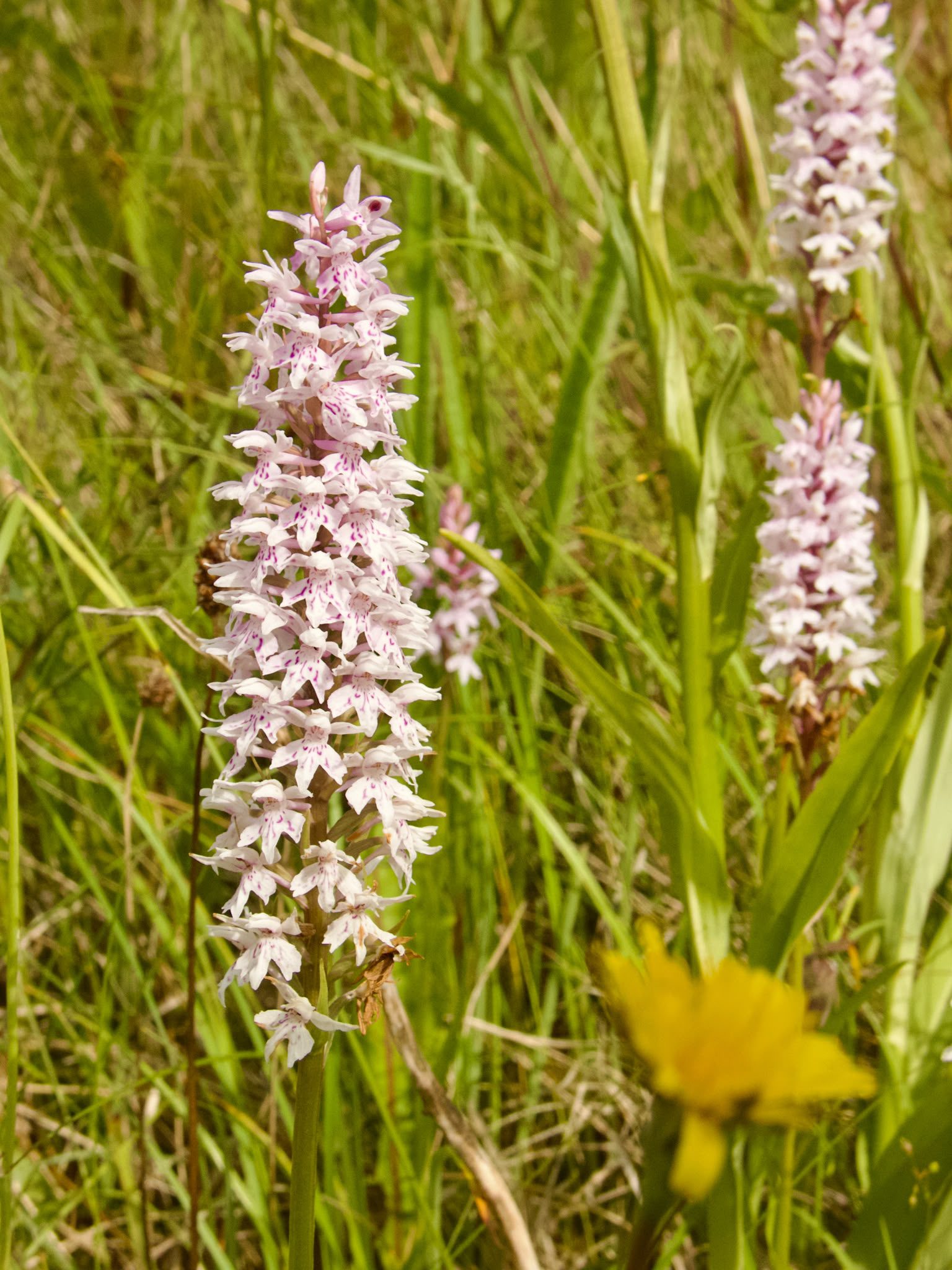
“My interest in Irish wildflowers just came about in the last few years,” Úna says, “I love spotting and identifying them. They are so important in the circle of life and pollinating insects depend on them and they are unfortunately endangered too. The joy they bring to us each summer is wonderful, I don’t have time to campaign for their protection but raising awareness is what I can do.”
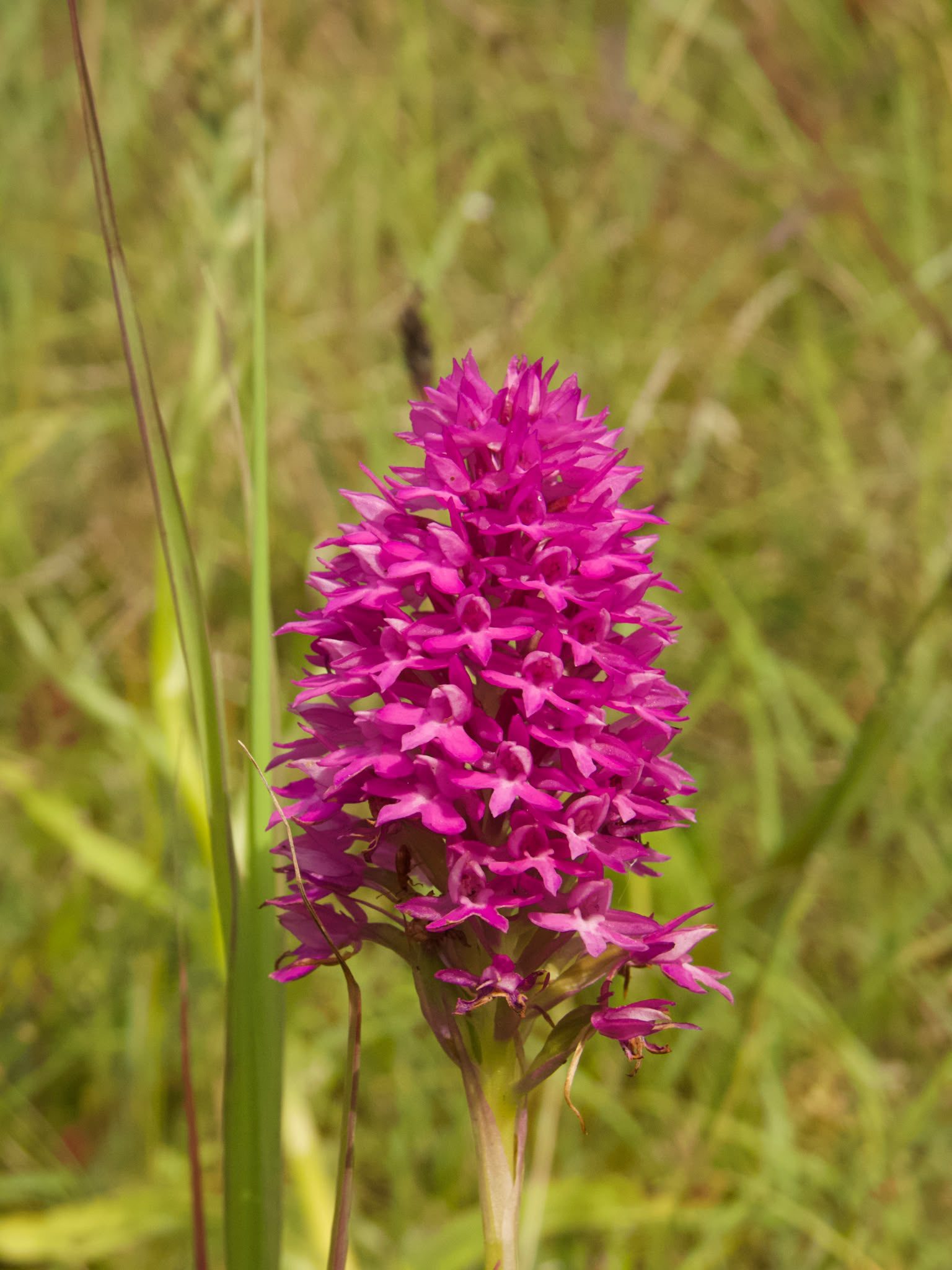
Ireland is home to over thirty native orchid species and they thrive in the meadows, roadsides, and limestone grasslands of County Galway. However, many of our native orchids are classified as “vulnerable”, meaning that their prevalence has declined by as much as 49% in areas where they used to commonly grow. Consequently, all wild orchids in Ireland are strictly protected and it is illegal to pick, uproot, or damage them. The protection covers both the plants and the soil they grow in. Further information on the laws protecting them can be found on the National Parks & Wildlife Service website: www.npws.ie.
Orchids have a very special manner of reproduction that means they are very hard to grow in a new area. They are dependent on pollinators such as bees and butterflies to spread seeds like other flowers, but according to wildflower experts, they also need a mycorrhizal fungi (fungi that grow in plant roots) to enable them to take nutrients from the soil. “If you just sowed the seed it wouldn’t have its associated fungi” says Úna. These fungi can also overwhelm the orchid seeds if they are not immediately successful in absorbing the nutrients within the fungus and continuing on to produce underground tubers.
Their unique method of reproducing ensures that orchids can take a long time to produce leaves, let alone flower. The slowest is the Lady’s Slipper Orchid, now sadly extremely rare, which takes from fourteen to eighteen years from seed to flower. Some seeds may also rest in a seedbank in the soil waiting for more favourable conditions before producing shoots and leaves. As a result, the orchids that do grow are precious.
To learn more about our Irish orchids, Una recommends “a really superb book on the subject, ‘Ireland’s Wild Orchids – a field guide’”. This book is published by Collins Ireland. Each orchid in the book is illustrated by the gifted botanical artist, Susan Sex, with text from the National Botanic Gardens orchid specialist, Brendan Sayers. Úna also recommends a helpful website: https://www.wildflowersofireland.net, which provides lots of detail about how to identify orchids.
At the time of going to press, the orchids were still in bloom and some may bloom into August. If you are out and spot any orchids growing, once identified, you can report the sighting to the National Biodiversity Data Centre.